
Finding the Andromeda Galaxy from Britain
Why Andromeda Is Worth the Effort
The Andromeda Galaxy, known to astronomers as M31, is the most distant object most people will ever see with their own eyes. At roughly 2.5 million light-years away, it is a swirling city of a trillion stars, and yet on a clear autumn night it appears as nothing more than a faint, elongated smudge against the darkness. That smudge is the whole point. Once you have found it, you will never look at the night sky in quite the same way again.
From Britain, catching Andromeda is entirely possible without binoculars or a telescope, but it demands three things: a genuinely dark sky, patience, and a little knowledge of where to look. The good news is that the best months fall conveniently during the long, early evenings of autumn, when the constellation Pegasus rides high in the south and the whole region is easy to reach.
When and Where to Look
Andromeda is circumpolar from much of the UK, meaning it never truly sets, but that does not make it a year-round target. It is highest and best placed between September and December, with October and November offering the finest combination of altitude and darkness. By late evening in mid-autumn, the galaxy sits almost overhead in the southern half of the sky.
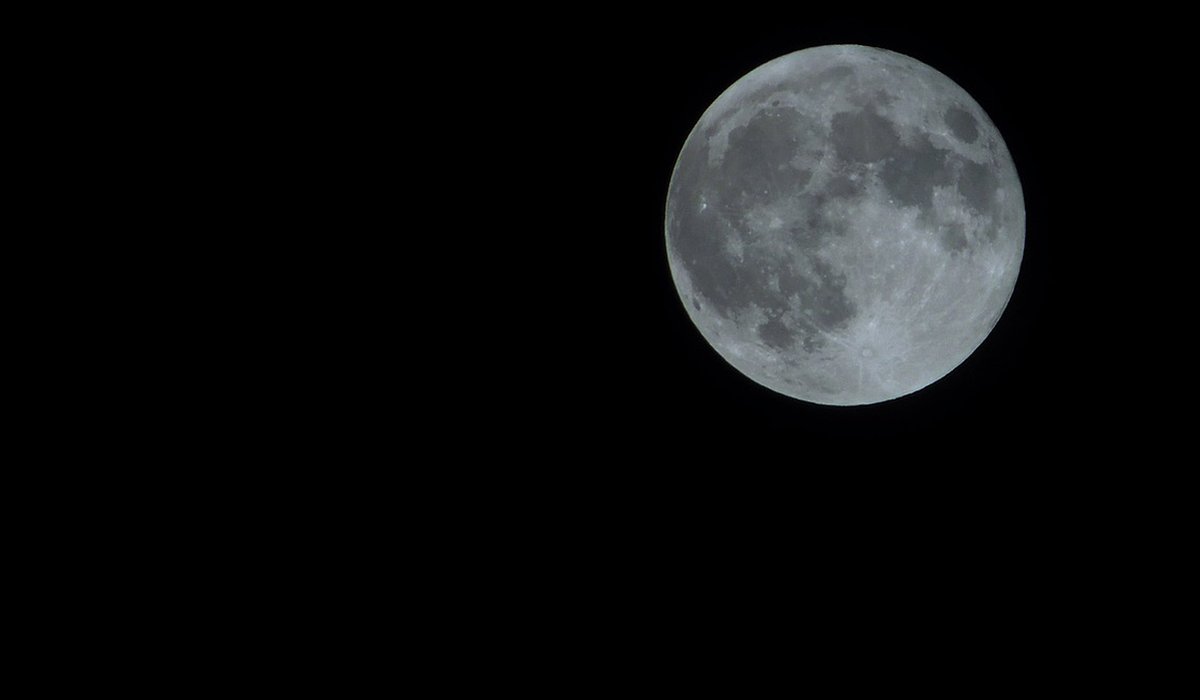
Choose a night with no moon if you possibly can. A moon more than half full will wash out the faint outer glow, leaving only the brighter core visible. Give your eyes at least twenty minutes to adapt to the dark, and avoid glancing at your phone — even a brief flash resets much of that hard-won sensitivity. If you live in a city, consider a trip to a darker site; the difference between a suburban garden and a rural field is startling for this particular object.
Getting Your Bearings with Cassiopeia
The easiest star hop begins with Cassiopeia, that unmistakable W shape high in the northern autumn sky. Facing north, you can hardly miss it. The right-hand side of the W, as you look at it, points you towards Andromeda.
Here is the sequence to follow:
- Find the two stars forming the deeper, sharper point of the W on its right-hand side.
- Draw an imaginary line through them and extend it away from the W, roughly three times the length of that pair's separation.
- You will arrive near Mirach, a distinctly orange-tinted star marking the shoulder of the Andromeda constellation.
- From Mirach, hop to the fainter star Mu Andromedae, then continue the same distance again. M31 lies just beyond it.
Mirach's colour is a genuine help here, because orange stars stand out among the white ones and confirm you are in the right place.
Star Hopping from the Great Square of Pegasus
If Cassiopeia is partly hidden by trees or rooftops, use Pegasus instead. The Great Square is four reasonably bright stars forming a large, empty-looking box in the south on autumn evenings. It is one of the great signposts of the season.
Focus on the square's upper-left corner, the star Alpheratz. This star actually belongs to the neighbouring constellation Andromeda, and it marks the start of a chain of stars flowing outwards from the square. From Alpheratz, follow that arc of stars away from Pegasus, working outwards in two gentle steps to Delta Andromedae and then Mirach. From Mirach you can either repeat the hop to Mu Andromedae as above, or simply sweep slowly along the chain with your eyes until a soft, fuzzy patch appears north of the line of stars.
What You Will Actually See
Expect a lot less than the photographs suggest. To the naked eye under a decent rural sky, M31 is a faint oval glow, perhaps twice the width of a full moon, with a slightly brighter centre. It looks like a torn scrap of mist that refuses to sharpen into a star.
A few tips will help you confirm the sighting:
- Use averted vision — look slightly to one side of the galaxy and it will often appear brighter.
- Try gentle sweeping movements rather than staring fixedly; motion sometimes coaxes faint objects into view.
- If the sky is marginal, binoculars will transform the view, showing the bright core and, on good nights, hints of the dust lanes that make M31 so distinctive.
- Look for its two small companion galaxies, M32 and M110, as faint companions to the main glow — a fine reward for a truly dark site.
A Few Practical Points for British Observers
Autumn nights here get cold quickly, and a session spent hunting faint objects is more enjoyable with a flask and several layers than with numb fingers. Dew is a persistent enemy, so keep any optics capped when not in use. Light pollution maps are worth consulting before travelling, but even from a market town you can often catch the core of Andromeda on a transparent, moonless night.
The real pleasure of this particular object is its stubbornness. It asks something of you — dark skies, quiet, a slow and careful search — and gives back a glimpse across an unimaginable distance. Find it once, and every autumn sky afterwards will feel a little more familiar, and a great deal larger.
tag: Deep Sky

Callum Fraser Author
Scan below Orion's Belt to find a glowing patch, then compare its shape with photographs taken through different apertures.
YOU MAY ALSO LIKE
Locating the Orion Nebula with Binoculars
Aug 2
10Explore the Pleiades, Hyades, and Double Cluster, noting how binocular views reveal colours and patterns hidden from urban eyes.
read more
Star Clusters to Look for in Autumn
Jul 27
10Plan routes with familiar paths, avoid isolated areas, and share your timetable so others know when to expect your return.
read moreStargazing
-

ERRIC CATONA
Bring layers, a red torch, a flask, and a compass, plus a folding chair if you plan to pause for long stargazing sessions.
May 19, 2016 at 5.12 pm
Reply
ERRIC CATONA
Keep noise low, use red light sparingly, and stay on paths to reduce disturbance to nocturnal animals and their habitats.
May 19, 2016 at 5.12 pm
Reply -
ERRIC CATONA
Learn manual focus, long exposure, and steady support techniques to capture stars, planets, and the moon with a phone camera.
May 19, 2016 at 5.12 pm
Reply
Telescopes
Your email address will not be published.