
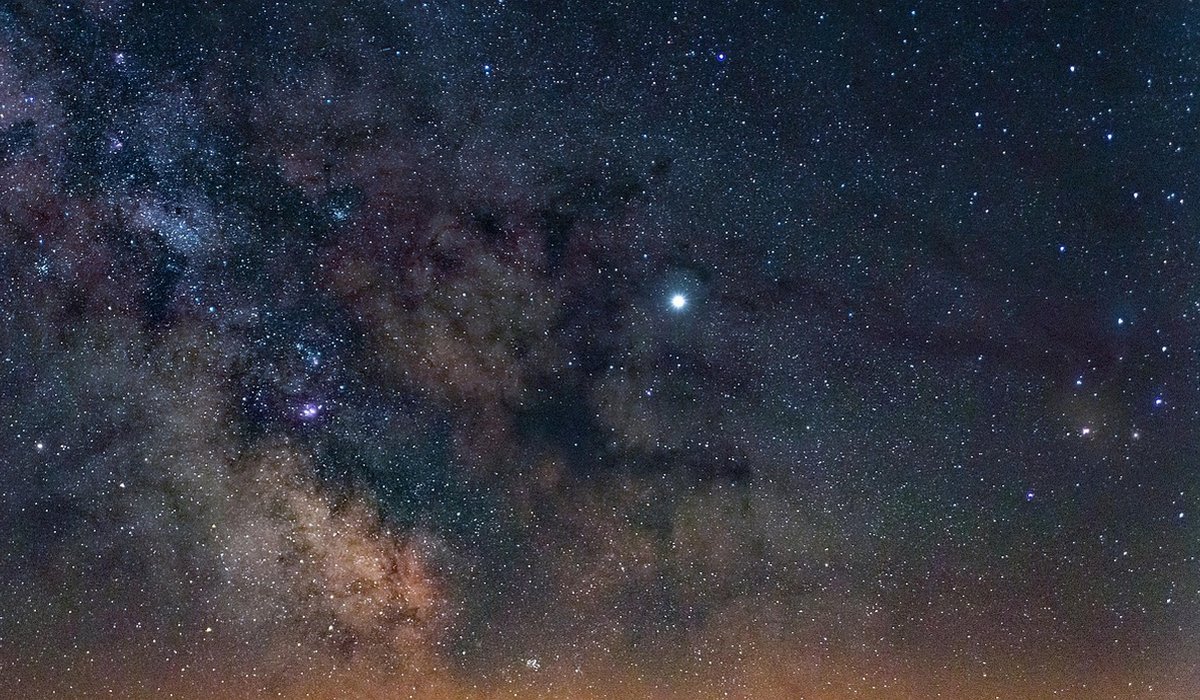
What to Pack for a Night Sky Walk
Why a Night Sky Walk Needs Different Kit
Daytime walking kit is built around sun, sweat, and the chance of a pub at the end. A night sky walk is a quieter, colder, slower sort of outing. You will stand still far more than you walk, you will spend a long time looking upwards rather than at your feet, and the temperature will keep dropping long after you have stopped moving. The right kit is not about conquering anything. It is about staying warm, staying safe, and keeping your eyes adapted to the dark so that the sky can do its work.
Here is what earns its place in the rucksack.
Layers, and More Layers Than You Think
Standing still at 10pm in an exposed field feels roughly two seasons colder than walking there at 6pm. Start with a thermal base layer, add a fleece or light insulated mid-layer, then a windproof and water-resistant outer shell. A down or synthetic jacket that packs small is worth carrying even in summer, because clear skies usually mean colder air.
- Hat and gloves: a warm beanie and thin liner gloves work better than thick ski gloves, because you still need to fiddle with binoculars, a torch, and a flask lid.
- Spare socks: dry feet keep you out longer, and a spare pair weighs almost nothing.
- Waterproof trousers: even if no rain is forecast, they block wind and keep dew off your legs when you sit or kneel.
- Boots, not trainers: the ground is uneven, hidden in the dark, and often wet.
Light: The Red Torch Rule
Your eyes take around 20 to 30 minutes to fully adapt to darkness, and a single white torch beam wipes that out in a second. This is why a red torch is the single most useful piece of kit on a night sky walk. Red light of a low brightness lets you read a map or check your footing without destroying your night vision.
- A dedicated red torch is best, ideally with a low or dimmable setting.
- A head torch with a red mode keeps your hands free, but check the switch before you leave so you are not cycling through strobe modes in the dark.
- Red filter film or a scrap of red sweet wrapper taped over a white torch works as a cheap fallback.
- A small white light is still worth carrying for genuine emergencies and for the walk back to the car.
Practise switching between modes at home, in the dark, before you go. Fumbling with a torch in a field at midnight is a reliably annoying experience.
Warmth, Comfort and Long Pauses
Stargazing has a way of stretching from ten minutes into two hours. Prepare for the longer version.
- A flask: hot tea, coffee, or soup. Something with a screw lid, not a push-button spout that leaks in your bag.
- A folding chair or lightweight stool: if you plan to pause for long sessions, this changes everything. Craning your neck at the zenith while standing is uncomfortable within minutes, whereas a chair that reclines even slightly lets you look straight up in comfort.
- A sit mat or folded foam pad: lighter than a chair and enough for a short stop on cold ground.
- A blanket: an old wool one in the boot is a kindness, both for you and for anyone who came out under-dressed.
- Snacks: oatcakes, nuts, or a flapjack. Easy to eat one-handed with gloves on.
Navigation, Time and the Practical Bits
Darkness hides landmarks you relied on in daylight, and phone batteries drain quickly in the cold. Carry a paper map of the area and a compass, and know how to take a rough bearing back to your start point. A compass also helps you orient yourself to the sky: face north and you are looking towards Polaris, which sits above the northern horizon at an angle roughly equal to your latitude. That is genuinely useful for finding your way around the constellations.
- A compass and paper map in a waterproof case, plus a head torch to read them.
- A power bank for your phone, kept in an inside pocket where it stays warm.
- A watch rather than relying on your phone screen, which is far too bright.
- A star chart or printed planisphere with a red-light-friendly print, so you are not squinting at a glowing screen.
- A whistle on a cord, because sound carries well at night and it takes up no room.
Small Extras That Make a Difference
A few inexpensive items quietly improve a night out. Binoculars, even modest 8x42 ones, will show you craters on the Moon, Jupiter's four brightest moons, and star clusters that look like smudges to the naked eye. A small piece of closed-cell foam to sit on keeps cold rising from the ground away from your legs. A thermal mug with a lid means your tea is still drinkable after an hour. Insect repellent in summer, because dew and midges arrive together.
Finally, tell someone where you are going and when you expect to be back, and check the cloud forecast before you commit. A clear, moonless night away from streetlights is the real prize here. Get the kit right, and you will stay out long enough to see it properly.
tag: Night Walks

Eleanor Hartley Author
Keep noise low, use red light sparingly, and stay on paths to reduce disturbance to nocturnal animals and their habitats.
YOU MAY ALSO LIKE
Respecting Local Wildlife During Night-Time Walks
Jul 14
10Learn manual focus, long exposure, and steady support techniques to capture stars, planets, and the moon with a phone camera.
read more
Using a Smartphone for Night Sky Photos
Jul 12
10Adjust aperture, shutter speed, and ISO, then test different white balance settings to bring out detail in the galactic core.
read moreStargazing
-

ERRIC CATONA
Capture multiple exposures of the same scene, then combine them with free software to create a cleaner final image.
May 19, 2016 at 5.12 pm
Reply
ERRIC CATONA
Research official dark sky reserves, national parks, and remote coastal spots, then check access, facilities, and local weather forecasts.
May 19, 2016 at 5.12 pm
Reply -
ERRIC CATONA
Shield outdoor lights, use warm bulbs, and direct beams downwards to improve your night vision and views of faint objects.
May 19, 2016 at 5.12 pm
Reply
Telescopes
Your email address will not be published.