
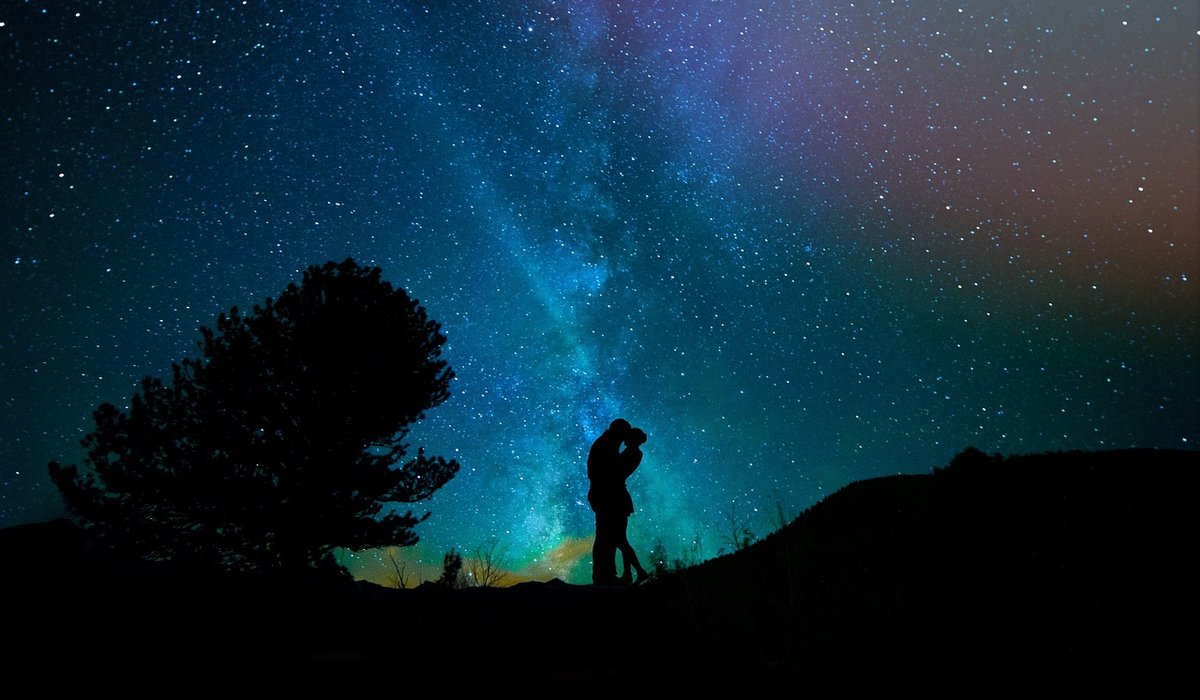
Why Dark Skies Matter for Nocturnal Wildlife
The night shift most of us never see
When the sun sets over a British town, an entire community is only just waking up. Hedgehogs begin their rounds, bats slip out from behind roof tiles, glow-worms switch on along the verges, and thousands of moth species take to the air. More than half of the UK's wildlife is active after dark, yet the darkness they depend on is quietly disappearing. Light pollution grows by roughly two per cent every year worldwide, and for most people in Britain the Milky Way is no longer visible from home. That is a loss for our sense of wonder — but it is also an ecological problem with measurable consequences.
Moths: drawn to a light they cannot escape
Britain is home to around 2,500 species of moth, and the vast majority fly at night. They are far more than the drab cousins of butterflies: they pollinate night-scented flowers, and their caterpillars feed the nestlings of blue tits, great tits and other garden birds. Long-term recording schemes suggest moth numbers have fallen by around a third since the late 1960s, and artificial light is part of the picture.
A moth that spends the night circling a streetlamp or a security light is not feeding, not courting and not laying eggs. Many are exhausted by dawn, and some are picked off by bats or birds while they spiral. Surveys of roadside verges have found fewer caterpillars beneath lit hedgerows than unlit ones, which suggests the damage ripples down through the food chain rather than stopping at the lamp.
Bats: dark corridors are habitat, too
All eighteen of our resident bat species eat insects, and many are exquisitely sensitive to light. Lesser and greater horseshoe bats, brown long-eared bats and barbastelles will avoid illuminated ground altogether. Where a floodlight falls on a roost entrance, bats may delay emerging by half an hour or more, cutting into the short hours they have to hunt.
Even more damaging is the fragmentation of commuting routes. Bats tend to travel along hedgerows, tree lines and riverbanks, following dark corridors from roost to feeding ground, and a single badly aimed light can turn a familiar route into an obstacle. Meanwhile, a few adaptable species — pipistrelles and noctules in particular — happily hunt the insects swarming around lamps. So lighting does not simply remove bats; it tilts the balance in favour of a handful of generalists and against the specialists.
Migrating birds and a sky lit from below
Every spring and autumn, millions of birds cross Britain at night, navigating by the stars, by landmarks and by the Earth's magnetic field. Bright, upward-pointing light confuses that system. Birds may circle a floodlit building for hours, burning through the fat reserves they need to finish their journey, or be drawn off course towards lit windows and towers.
There are subtler effects, too. Robins routinely sing under streetlights in the middle of the night, and birds in lit areas often start the dawn chorus earlier. Over time, those shifts can misalign feeding and breeding with the rhythms the rest of the ecosystem still follows.
Small changes, real results
The encouraging news is that light is one kind of pollution you can simply switch off. Habitat takes decades to restore; a badly placed lamp can be fixed this evening.
- Choose warm, amber tones. Look for fittings rated at 2700K or lower, ideally around 2200K. Blue-rich white light affects wildlife far more strongly than warm light.
- Point light down and shield it. A fully shielded fixture with no upward spill keeps the beam on the path or step where it is actually useful.
- Use timers and sensors. Five minutes of light when you need it beats ten hours of dusk-to-dawn glare. A motion sensor is a good swap for a permanent floodlight.
- Keep dark corridors. Leave hedgerows, ponds and garden boundaries unlit so bats, hedgehogs and moths can move freely between gardens.
- Dim and reduce. Fewer fittings, mounted lower, at lower brightness, usually do the job perfectly well.
- Close the curtains. Indoor light escaping into the garden matters as much as the light on the outside wall.
- Plant for the night. Honeysuckle, evening primrose, night-scented stock and jasmine give moths something worth visiting.
Darkness as part of the neighbourhood
Multiply a few switched-off lamps by a whole street and the effect becomes measurable. Parish councils, housing associations and community groups across the country are already auditing their lighting, and Britain's dark sky areas — from Galloway Forest Park to Exmoor and the North York Moors — show what happens when a landscape is allowed to go properly dark. Visitors travel there for the stars, but the wildlife returns quietly in the background.
You do not need to live in a designated reserve to make a difference. Start with one light you do not really need, note how the garden sounds a fortnight later, and take it from there. Recording what you see through a moth trap or a bat detector helps as well — local wildlife recorders rely on ordinary people to show where the night is still working and where it needs help. Leave a little darkness in your corner of Britain, and the night shift will thank you.
tag: Dark Skies

James Whitaker Author
Learn a simple method for locating Polaris using the Plough, then use it to navigate the night sky throughout the year.
YOU MAY ALSO LIKE
How to Find the North Star in UK Skies
Sep 26
10Set up a comfortable viewing spot, choose a few easy targets, and learn how to read a basic star chart without expensive equipment.
read more
Getting Started with Back Garden Stargazing
Sep 21
10Discover how to plan around radiant points, moonlight, and local weather to improve your chances of spotting shooting stars.
read moreStargazing
-

ERRIC CATONA
Compare small refractors, reflectors, and spotting scopes, focusing on portability, light gathering, and ease of use in towns.
May 19, 2016 at 5.12 pm
Reply
ERRIC CATONA
Follow a daytime alignment routine using a distant landmark, then refine it at night with a bright star or planet.
May 19, 2016 at 5.12 pm
Reply -
ERRIC CATONA
Use gentle tools and safe solutions to remove dust and smudges, protecting optical coatings and avoiding scratches on delicate surfaces.
May 19, 2016 at 5.12 pm
Reply
Telescopes
Your email address will not be published.