
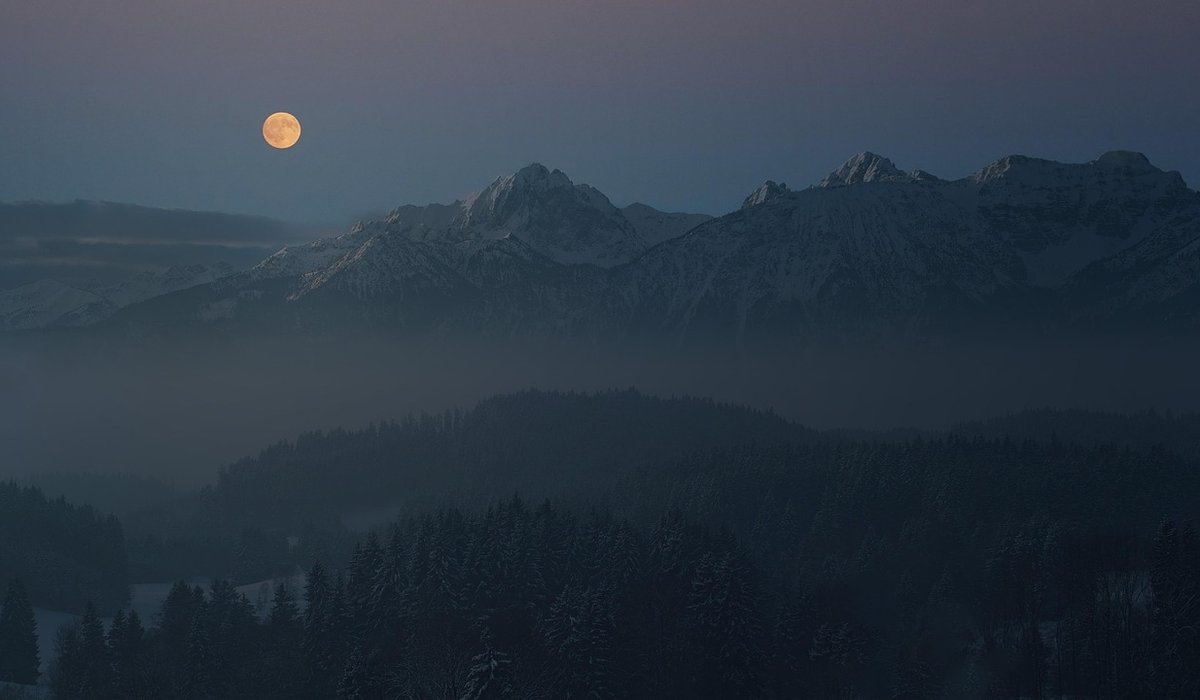
Finding Dark Sky Places Across the UK
Why the UK's night sky is worth travelling for
People often assume that serious stargazing means a flight to Chile or the Canary Islands. It doesn't. Britain is one of the most light-polluted countries in Europe, but that brightness is concentrated around towns and motorways. Drive forty minutes away from a city and the sky changes completely: the Milky Way arches overhead, the Andromeda galaxy becomes an easy naked-eye smudge, and on a good night you can trace the dust lanes running through Cygnus.
The trick is knowing where to go, and then treating a stargazing trip like any other outdoor day out — with a plan for access, comfort and the weather.
Start with official dark sky designations
The most reliable starting point is the network of protected dark sky places. These are areas where lighting is managed, planning rules are tighter and local communities have signed up to keep the night dark. They fall into a few broad types: large reserves and parks with exceptional skies, and smaller discovery sites that are usually easy to reach and often have parking.
Well-known examples include Galloway Forest Park in south-west Scotland, Exmoor and the Brecon Beacons, Northumberland National Park and Kielder, the Yorkshire Dales and North York Moors, Snowdonia, the South Downs, Bodmin Moor and the wider Cornwall coast, and the Elan Valley in mid-Wales. Offshore, the Isle of Coll, the Outer Hebrides, Orkney and Shetland offer some of the darkest skies in the country.
A designation is a promise of quality, not a specific viewing spot, so use it as a filter and then do your own research on where to actually stand.
Choosing a spot inside a national park
Inside a dark sky park, the difference between a decent night and a brilliant one is often a few hundred metres. National park authorities usually publish suggested stargazing locations, and many have hard-standing car parks, information boards and even a nearby pub with a fire.
- Go high. Mist and dew pool in valleys; a modest hill or ridge gives you clearer air and a wider horizon.
- Face south. Most of the interesting deep-sky objects and the Milky Way's brightest section lie to the south, so pick a spot with an open southern horizon.
- Avoid main-road lay-bys. Passing headlights will destroy your night vision every few minutes.
- Mind the trees. A woodland edge blocks nearby light, but it also blocks a good chunk of sky. Aim for open ground with shelter behind you, not in front.
Remote coastal spots and islands
Coastlines are underrated. A sea horizon to the south is as dark as it gets in Britain, because there is nothing out there to light up. The Northumberland coast, the Norfolk coast around the Wash, Pembrokeshire, the Cornish and north Devon cliffs, and the Scottish islands all reward the effort.
Coastal nights bring their own practicalities. Sea fog can roll in within an hour, wind is stronger and colder than the forecast suggests, and salt spray will settle on lenses and eyepieces. Check tide times even if you are staying high up, keep well back from cliff edges in the dark, and note that phone signal is patchy in many of these places. Tell someone where you are going and when you expect to be back.
Check access and facilities before you commit
Dark sky sites are often working landscapes — farmland, moorland, forestry or Ministry of Defence land. A little homework saves a wasted journey.
- Parking: check whether charges, permits or time limits apply, and whether overnight parking is allowed. Never block gates or passing places.
- Access: look for seasonal closures, locked barriers, lambing and ground-nesting bird restrictions, and any public access rules that change after dark.
- Facilities: the nearest toilets, fuel and hot drinks may be twenty minutes away and shut by nine. Take a flask, water and snacks.
- Rules: drones disturb wildlife and other stargazers, and white torches ruin everyone's adaptation. Use a red torch, keep voices low and take everything home with you.
- Base: a nearby campsite or bunkhouse makes it far easier to wait out cloud than a long drive home.
Read the forecast properly, then stay flexible
Clear skies are the whole game, and a general weather forecast will not tell you enough. Look at dedicated cloud-cover forecasts that break cloud into low, middle and high layers, and pay attention to transparency (how clear the air is) as well as seeing (how steady it is). Fine, hazy nights can look promising and then disappoint.
Three other things matter as much as cloud:
- The moon. A bright moon will wash out all but the brightest objects. Check moonrise, moonset and phase, and favour the fortnight around new moon.
- Twilight. Give it at least ninety minutes after sunset for true darkness — longer in midsummer, when the northern sky never fully darkens.
- Season. Late summer and early autumn are best for the Milky Way's core, while winter offers Orion and long, early nights. Meteor showers and aurora are bonuses, not plans.
Allow twenty to thirty minutes for your eyes to adapt, and avoid looking at your phone. Have a second site in mind thirty minutes away — night-sky trips reward flexibility more than any telescope.
tag: Dark Skies

Priya Patel Author
Shield outdoor lights, use warm bulbs, and direct beams downwards to improve your night vision and views of faint objects.
YOU MAY ALSO LIKE
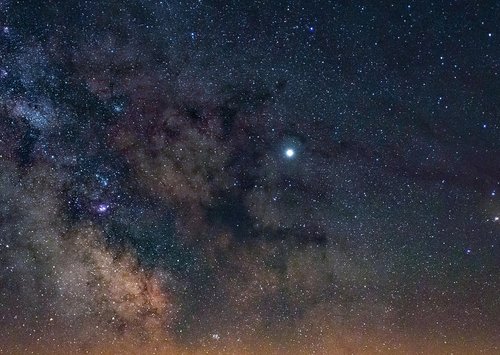
Reducing Garden Light Pollution for Astronomy
Jun 20
10Discover how artificial light affects moths, bats, and migrating birds, and how simple changes can support healthier local ecosystems.
read more
Why Dark Skies Matter for Nocturnal Wildlife
Jun 15
10Learn a simple method for locating Polaris using the Plough, then use it to navigate the night sky throughout the year.
read moreStargazing
-

ERRIC CATONA
Set up a comfortable viewing spot, choose a few easy targets, and learn how to read a basic star chart without expensive equipment.
May 19, 2016 at 5.12 pm
Reply
ERRIC CATONA
Discover how to plan around radiant points, moonlight, and local weather to improve your chances of spotting shooting stars.
May 19, 2016 at 5.12 pm
Reply -
ERRIC CATONA
Compare small refractors, reflectors, and spotting scopes, focusing on portability, light gathering, and ease of use in towns.
May 19, 2016 at 5.12 pm
Reply
Telescopes
Your email address will not be published.