
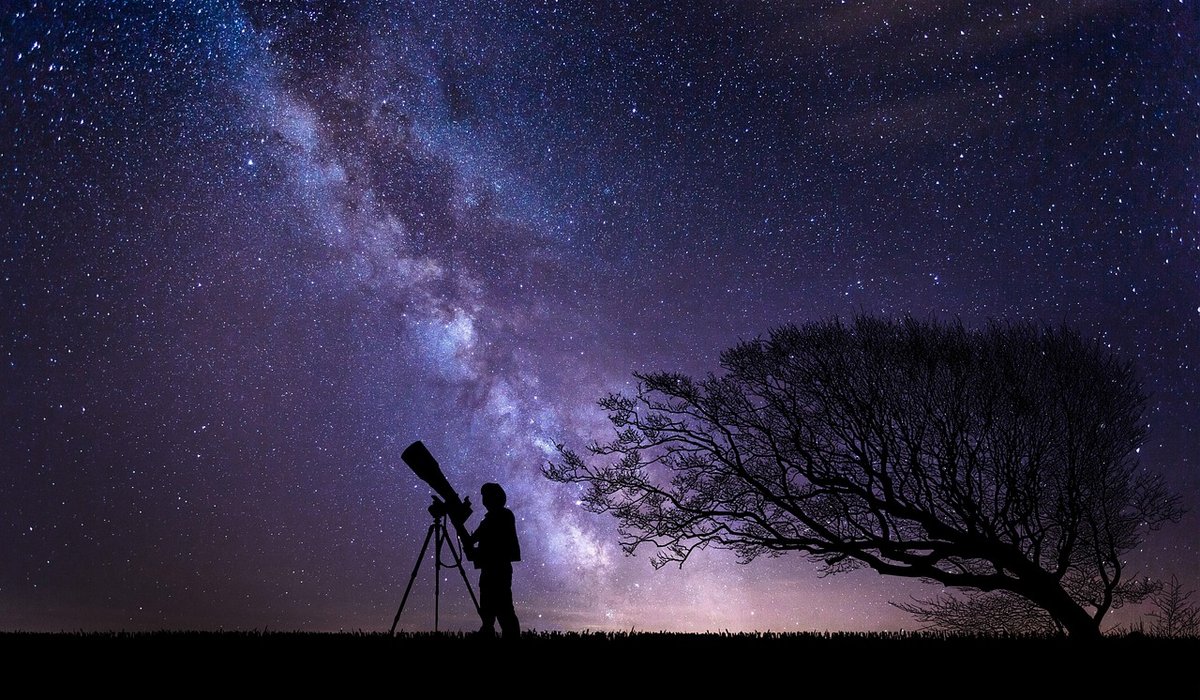
Planning Moonlit Walks Around Lunar Phases
There is something quietly magical about walking under a bright moon, the landscape turned to silver and shadow. But the Moon is not just a romantic companion—it is a powerful tool for planning your night-time adventures. Depending on its phase, it can either light your path or leave you in glorious darkness for stargazing. Get the timing right, and you can enjoy both.
Why Lunar Phases Shape Your Night Walk
The Moon’s brightness changes dramatically through its cycle. A full moon rises as the Sun sets and stays up all night, casting enough light to walk without a torch on familiar paths. That same brightness, however, washes out faint stars and the Milky Way. A new moon, by contrast, offers ink-black skies perfect for astronomy but makes navigation tricky without artificial light. The quarter phases—first and last—give you a compromise: a few hours of moonlight early or late in the night, leaving the rest dark.
In the UK, our latitudes mean the Moon can sit high or low in the sky depending on the season. A low full moon in winter gives long shadows and less direct light; a high summer moon can be surprisingly bright. Check the moonrise and moonset times for your chosen date, not just the phase name.
Choosing the Right Phase for Your Goal
Before you plan a route, decide what you want from the night. If your priority is easy navigation—perhaps on uneven coastal paths or across open moorland—aim for a waxing gibbous to full moon. You will see stiles, puddles, and livestock clearly. If stargazing is the main event, target a new moon or a thin crescent, and choose a location away from streetlights. For a walk that combines both, try a first quarter: the Moon sets around midnight, giving you early evening light followed by dark skies. A last quarter rises after midnight, so you can stargaze first, then walk home under moonlight.
- Full moon: excellent for navigation, poor for faint stars.
- New moon: best for stargazing, requires a red torch and careful route-finding.
- First quarter: moonlight until roughly midnight, then darkness.
- Last quarter: darkness until roughly midnight, then moonlight.
Use a lunar calendar or a moon-phase app to note the exact rise and set times, which shift by about 50 minutes each day.
Planning a Moonlit Walk: Step by Step
Once you have chosen a phase, build your plan around these practical checks:
- Access and permissions: Stick to public footpaths, bridleways, and access land. Some areas have night closures, lambing restrictions, or seasonal bans. Check local signs and websites before setting out.
- Weather: Cloud cover is the enemy of both moonlight and stargazing. Look for a forecast with clear skies, low humidity, and light winds. In the UK, conditions can change fast—be prepared to cancel or adapt.
- Tides: If your route hugs the coast, a full moon can mean very high tides. Check tide tables and avoid being cut off on beaches or causeways.
- Equipment: A red-light torch preserves night vision. Bring a map and compass (not just a phone), warm layers, waterproofs, and a flask. Wellies or sturdy boots are wise on muddy paths.
- Tell someone: Leave your route and expected return time with a friend. Mobile signal can be patchy in rural areas.
Weather, Access, and Safety in the UK
British weather is famously fickle, so treat any night walk as a small expedition. Even a clear forecast can turn misty on high ground, and a full moon behind cloud offers no more light than a new moon. Always carry a backup white torch for emergencies, but use it sparingly to protect your dark adaptation.
Access in the UK is generally good, but not universal. In England and Wales, you can walk on public rights of way and some open access land; in Scotland, the outdoor access code grants wider freedoms but still requires responsible behaviour. Never assume a path is open at night—gates may be locked, and some nature reserves close at dusk. If you are unsure, choose a route you already know in daylight.
Also consider wildlife: deer, badgers, and livestock can be startled by walkers after dark. Keep noise low, keep dogs under close control, and give animals space.
Combining Moonlight and Stargazing
You do not have to choose between a walk and a stargazing session. Plan a route that starts with a moonlit section, then reaches a dark viewpoint where you can switch off torches and let your eyes adapt for 20 minutes. On a last-quarter night, for example, you could walk out under a dim sky, stargaze until the Moon rises, then enjoy a bright return leg. Conversely, on a first-quarter night, walk out with the Moon, then stargaze after it sets.
For the best of both worlds, head to a designated dark sky area—Exmoor, Galloway Forest Park, the Brecon Beacons, or the North York Moors—where light pollution is minimal, and the full Moon still reveals the landscape. Use binoculars to explore lunar craters and bright planets, then turn them on star clusters when the Moon is low. With a little planning around lunar phases, you can turn any clear night into a memorable adventure.
tag: Moon Phases

Priya Patel Author
Look for a bright steady point that outshines nearby stars, then use binoculars to glimpse its largest moons.
YOU MAY ALSO LIKE
How to Spot Jupiter in the Evening Sky
Aug 14
10Learn why Venus appears near sunrise or sunset, how its phase changes, and where to look during different observation windows.
read more
Tracking Venus Through Morning and Evening
Aug 9
10Discover how aperture and atmospheric steadiness affect ring detail, and which magnifications work best for steady seeing on typical nights.
read moreStargazing
-

ERRIC CATONA
Use dark autumn evenings and star hops from Cassiopeia or Pegasus to locate this faint smudge without optical aid.
May 19, 2016 at 5.12 pm
Reply
ERRIC CATONA
Scan below Orion's Belt to find a glowing patch, then compare its shape with photographs taken through different apertures.
May 19, 2016 at 5.12 pm
Reply -
ERRIC CATONA
Explore the Pleiades, Hyades, and Double Cluster, noting how binocular views reveal colours and patterns hidden from urban eyes.
May 19, 2016 at 5.12 pm
Reply
Telescopes
Your email address will not be published.