
Slots, Poker, and the Real Math of Online Betting
Most people who lose money gambling don't lose it because they're unlucky. They lose it because nobody ever explained the difference between a game where skill can shift the odds and a game where the math is welded shut. That single distinction separates a hobby that costs you a predictable amount of entertainment per hour from a slow bleed you never saw coming. Let's talk about it properly, across slots, table games, poker, and sports betting, because the iGaming world is not one thing. It's four or five very different things wearing similar logos.
Slots: The Honest Truth About RTP and Volatility
Every slot machine, online or in a casino, runs on a Return to Player percentage. A 96% RTP slot returns, over millions of spins, 96 cents for every euro wagered. That 4% is the house edge, and it's baked in. You cannot outplay it, time it, or feel it out. Anyone who tells you a machine is "due" is selling you something. debet.poker covers this in more detail.
What you can do is choose games with a better RTP and understand what you're actually buying. Two numbers matter more than any theme or bonus animation:
- RTP: Look for 96% or higher. Some popular slots sit at 94% or even lower, and a 2% difference is enormous over thousands of spins.
- Volatility: High-volatility slots (think Gates of Olympus or Money Train) pay rarely but can pay big. Low-volatility slots pay often but small. Neither is "better"—they're different experiences with the same house edge.
A practical example: you deposit €100 and spin at €0.50 per spin. On a 96% RTP slot, your expected loss over 1,000 spins is roughly €20. That's the real cost of the session. Low-volatility games will track close to that expectation. High-volatility games will swing wildly around it—you might be up €300 or down €90 at the same point. If you can't stomach the swing, the game is wrong for you regardless of its RTP.
House Edge: Where Your Money Actually Goes
If you want the best odds in the building, you don't play slots. You play blackjack or baccarat with basic strategy, where the house edge can drop to around 0.5%. Compare that to:
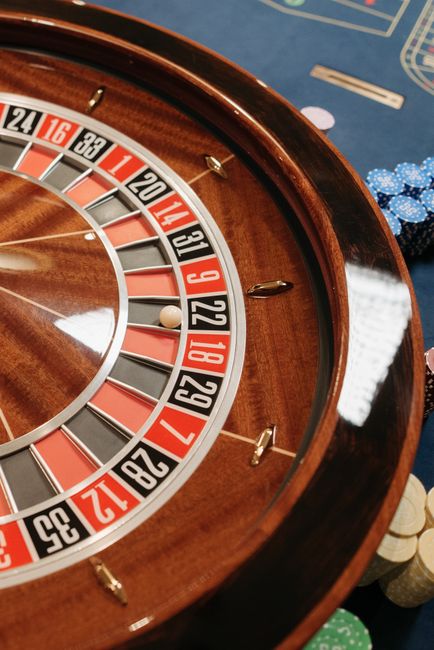
- European roulette: 2.7% (one zero)
- American roulette: 5.26% (double zero—avoid it)
- Slots: typically 2% to 8%, depending on the game
- Caribbean stud poker: around 5.2%
- Keno and lottery-style games: often 25% or worse
The gap between 2.7% and 5.26% on roulette sounds trivial until you run the numbers. Over 500 bets of €10, European roulette costs you about €135 in expectation; American roulette costs €263. Same game, same thrill, nearly double the leak. That's a real, controllable decision, and most players never make it.
Poker Is Not a Casino Game
This is the part people get wrong constantly. In slots, roulette, and baccarat, you play against the house. In poker, you play against other people, and the house just takes a rake. That changes everything.
A good poker player can maintain a long-term win rate. A good slot player cannot. That doesn't mean poker is easy money—the vast majority of players lose, because the money flows from weaker players to stronger ones. But skill genuinely matters, and it compounds.
If you're getting into online poker, focus on these before anything else:
- Position. Acting last gives you information. It's the single most important edge in the game.
- Bankroll management. Never buy into a cash game with more than 5% of your dedicated poker bankroll. For tournaments, no more than 2%.
- Game selection. A mediocre player at a soft table beats a great player at a tough one. Find the fish before you find the strategy videos.
- Volume with review. Grinding 100,000 hands without studying your mistakes just cements bad habits.
The rake is the silent killer. At low stakes online, rakeback can't save a bad win rate, so treat the rake as a tax on every hand you play—and play fewer, better hands.
Sports Betting: Margins, Value, and the Closing Line
Bookmakers don't set odds to predict outcomes. They set odds to balance action and lock in a margin, usually 4% to 8% on a standard two-way market. That margin is the sportsbook equivalent of the house edge.
To win long-term at sports betting, you need to beat the closing line consistently. The closing line—the odds right before kickoff—is the market's best guess at true probability. If you consistently get prices better than that, you have an edge. If you don't, you're paying the margin and hoping.
Promotions change the math temporarily. A €10 free bet at even odds has an expected value of roughly €5 to €8 depending on the terms, regardless of whether it wins. Matched bettors build entire operations around this. Casual bettors ignore it and give the value straight back with parlays, where the book's margin compounds leg by leg. A five-leg parlay at 5% margin per leg gives the house a combined edge of over 22%. That's not a lottery ticket; it's a donation with extra steps.
The Habits That Actually Protect You
None of this is about avoiding fun. It's about paying a fair price for it. The players who last years in iGaming without resentment tend to share the same behaviors:
- They set a session budget before logging in and treat it as spent money, not money at risk.
- They know the RTP or house edge of every game they play.
- They use deposit limits and time reminders built into the platform—not because they're weak, but because the software is designed by people who study attention.
- They separate entertainment spend from any money they need.
- They never chase losses. The math doesn't reset because you're angry.
One more concrete tip: bonuses and free spins usually come with wagering requirements of 30x to 40x. A €100 bonus at 35x means you must wager €3,500 before withdrawing anything. On a 96% RTP slot, the expected loss on that wagering is €140—more than the bonus. Read the terms before you celebrate the offer.
Final Word
The iGaming industry is built on a simple truth: the house wins on average, and your job is to make sure the average doesn't apply to you more than you agreed to. That doesn't mean you can't win a session, a tournament, or a season of betting. It means you should choose your games with the same seriousness you'd choose any entertainment purchase—knowing the price, the upside, and the odds. Slots are a ride. Poker is a contest. Sports betting is a market. Treat each one as what it actually is, and the whole thing gets a lot less mysterious, and a lot less expensive.
tag: iGaming

Eleanor Hartley Author
Set up a comfortable viewing spot, choose a few easy targets, and learn how to read a basic star chart without expensive equipment.
YOU MAY ALSO LIKE

Getting Started with Back Garden Stargazing
Sep 21
10Discover how to plan around radiant points, moonlight, and local weather to improve your chances of spotting shooting stars.
read more
Best Time to See Meteor Showers
Sep 18
10Compare small refractors, reflectors, and spotting scopes, focusing on portability, light gathering, and ease of use in towns.
read moreStargazing
-

ERRIC CATONA
Follow a daytime alignment routine using a distant landmark, then refine it at night with a bright star or planet.
May 19, 2016 at 5.12 pm
Reply
ERRIC CATONA
Use gentle tools and safe solutions to remove dust and smudges, protecting optical coatings and avoiding scratches on delicate surfaces.
May 19, 2016 at 5.12 pm
Reply -
ERRIC CATONA
Understand the lunar cycle, from new moon to full moon, and learn why phases appear differently depending on your viewing time.
May 19, 2016 at 5.12 pm
Reply
Telescopes
Your email address will not be published.